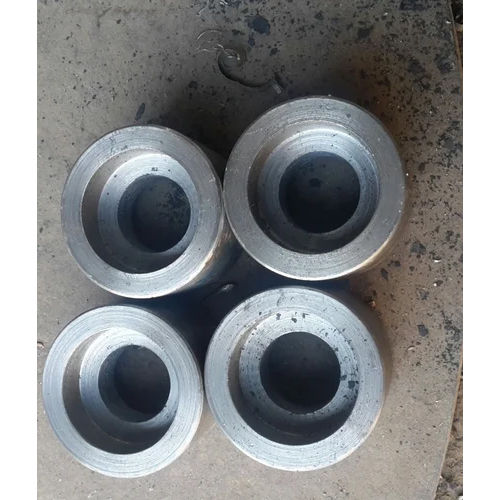
About Alloy Steel Forged Pipe Fittings
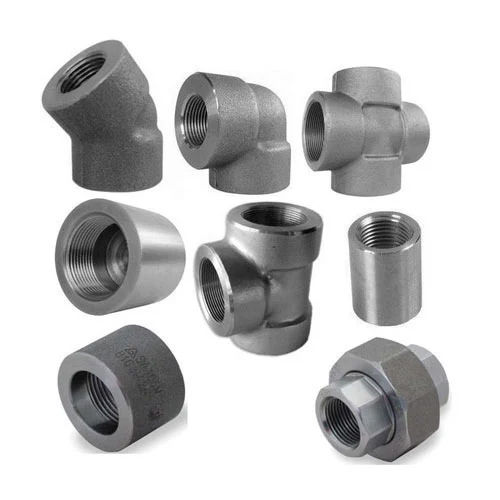
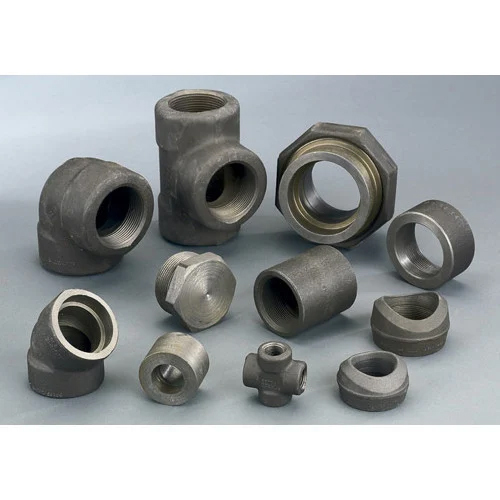
We have gained immense expertise and knowledge, our company is engaged in manufacturing and supplying high quality Alloy Steel Forged Pipe Fittings in the market. It is processed by our skilled workforce by using qualitative required materials with the help of advanced technologies and tools. This item is widely utilized in a piping system for high-pressure and high-temperature conditions. Our offered PTFE Gasket is known for its good quality, tough structure and highly durable in nature. The entire range of our provided items are tested on the various quality parameters before dispatching them from our premises.
Product Type - Alloy Steel Forged Pipe Fittings
Size - 1/2-4 NB
Surface Finishing - Polished
Usage - Industrial & Commercial
Precision-Engineered for High-Performance ApplicationsAlloy Steel Forged Pipe Fittings are meticulously crafted through a forging and heat treatment process, aligning with ASTM standards for both mechanical strength and durability. The fittings are suitable for use in challenging environments where reliability and structural integrity are crucial, such as high-pressure steam lines, refineries, and power generation facilities.
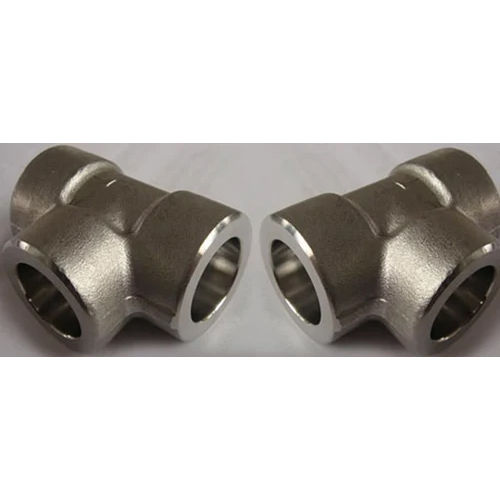
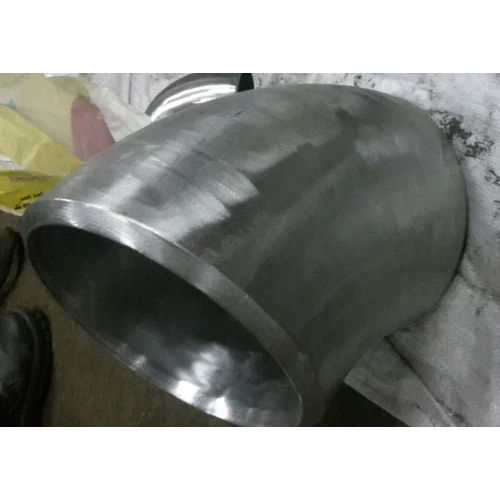
Versatility in Configuration and Surface TreatmentAvailable in multiple shapes such as Elbow, Tee, Coupling, Union, Cap, and Nipple, these fittings support diverse connection types, including socket weld and threaded options (NPT/BSPT/BSP). They cater to various piping layouts and ensure optimal sealing performance, featuring a rigid structure and metal-to-metal sealing to withstand demanding operational conditions.
Tailored Solutions for Industrial DemandsWith a wide range of sizes (6 mm-100 mm), classes (2000 to 9000), and grades (A182 F5, F9, F11, F22, etc.), these pipe fittings provide tailored solutions for industrial piping networks. Each fitting comes with precise markings and packaging per export standards, ensuring quality, traceability, and safe delivery to dealers, distributors, and end users.
FAQ's of Alloy Steel Forged Pipe Fittings:
Q: How are Alloy Steel Forged Pipe Fittings manufactured?
A: These fittings are manufactured by forging and heat treating alloy steel as per ASTM A182/ASME SA182 standards. The process ensures high strength, toughness, and dimensional accuracy, making them suitable for demanding industrial applications.
Q: What applications are these forged fittings suitable for?
A: Alloy Steel Forged Pipe Fittings are ideal for use in high-pressure and high-temperature piping systems like oil & gas pipelines, petrochemical plants, power stations, and various industrial sectors due to their excellent mechanical properties and corrosion resistance.
Q: When should these fittings be used over other materials?
A: Use these forged fittings when operating conditions require resistance to extreme temperatures (from -29C to 650C), high pressures (Class 2000/3000/6000/9000), and strong mechanical strength. They are preferred for critical joints in piping systems subject to high stress and corrosion.
Q: Where are these alloy steel fittings marked and what information do they carry?
A: Each fitting is permanently marked with essential information including grade, size, and heat number for complete traceability. The markings generally appear on the body of the fitting, ensuring easy identification throughout its lifecycle.
Q: What end preparations and connection types are available?
A: End preparations include beveled, plain, or threaded ends, while connection types include socket weld and threaded varieties (compatible with NPT, BSPT, or BSP threads). This versatility accommodates different installation and sealing requirements in pipeline systems.
Q: What standards and tolerances govern these fittings?
A: Alloy Steel Forged Pipe Fittings conform to ASTM A182/ASME SA182 standards, and are produced with precise tolerances of 0.01 mm, guaranteeing high-quality, consistent fit, and dependable performance in all accredited industrial settings.
Q: What are the primary benefits of using these forged pipe fittings?
A: Key benefits include high corrosion resistance, robust mechanical strength, reliability under thermal cycling, wide applicability in critical industries, and compatibility with various surface treatments to extend the service life of piping systems.





 Send Inquiry
 Get Latest Price

